
Case studies

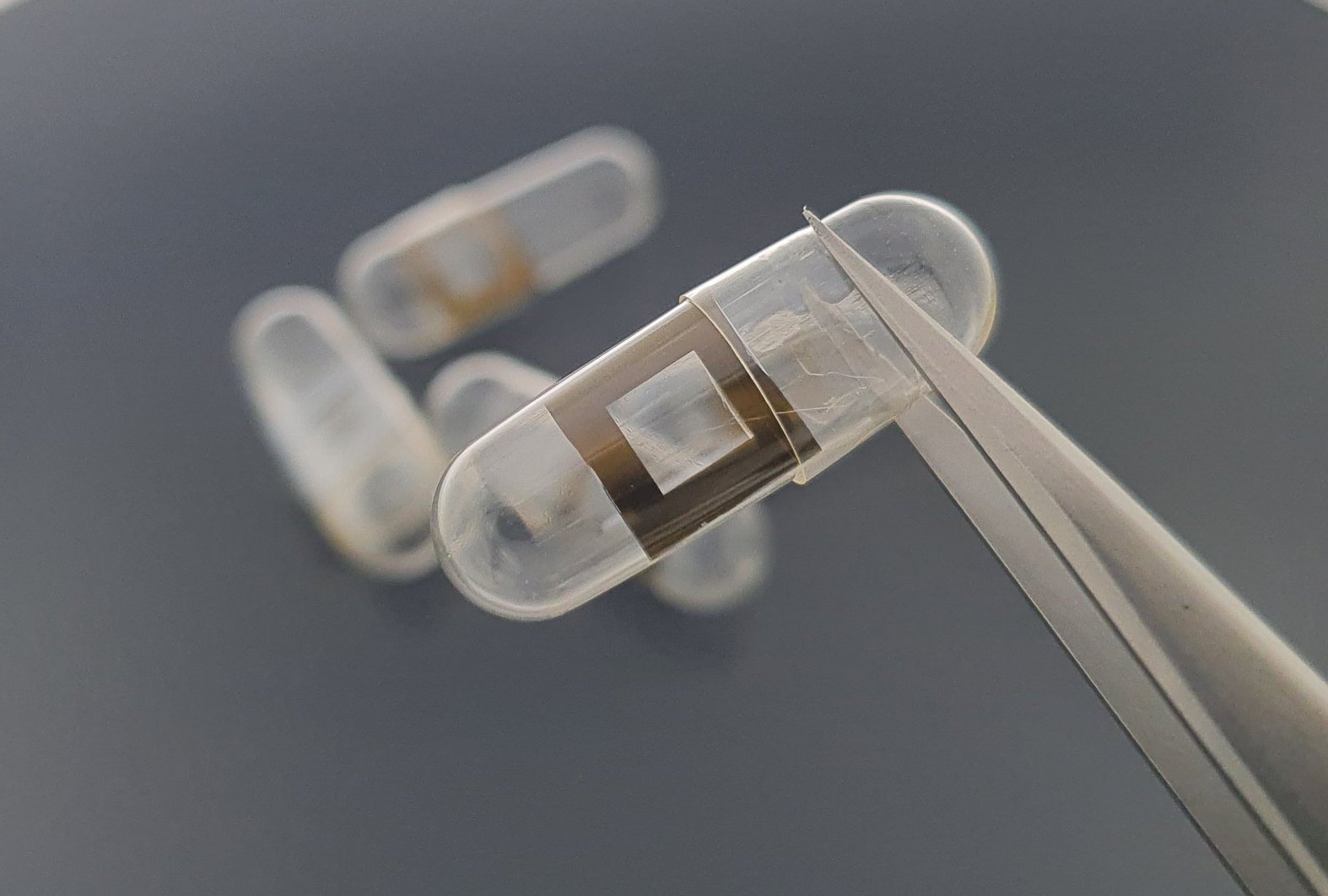
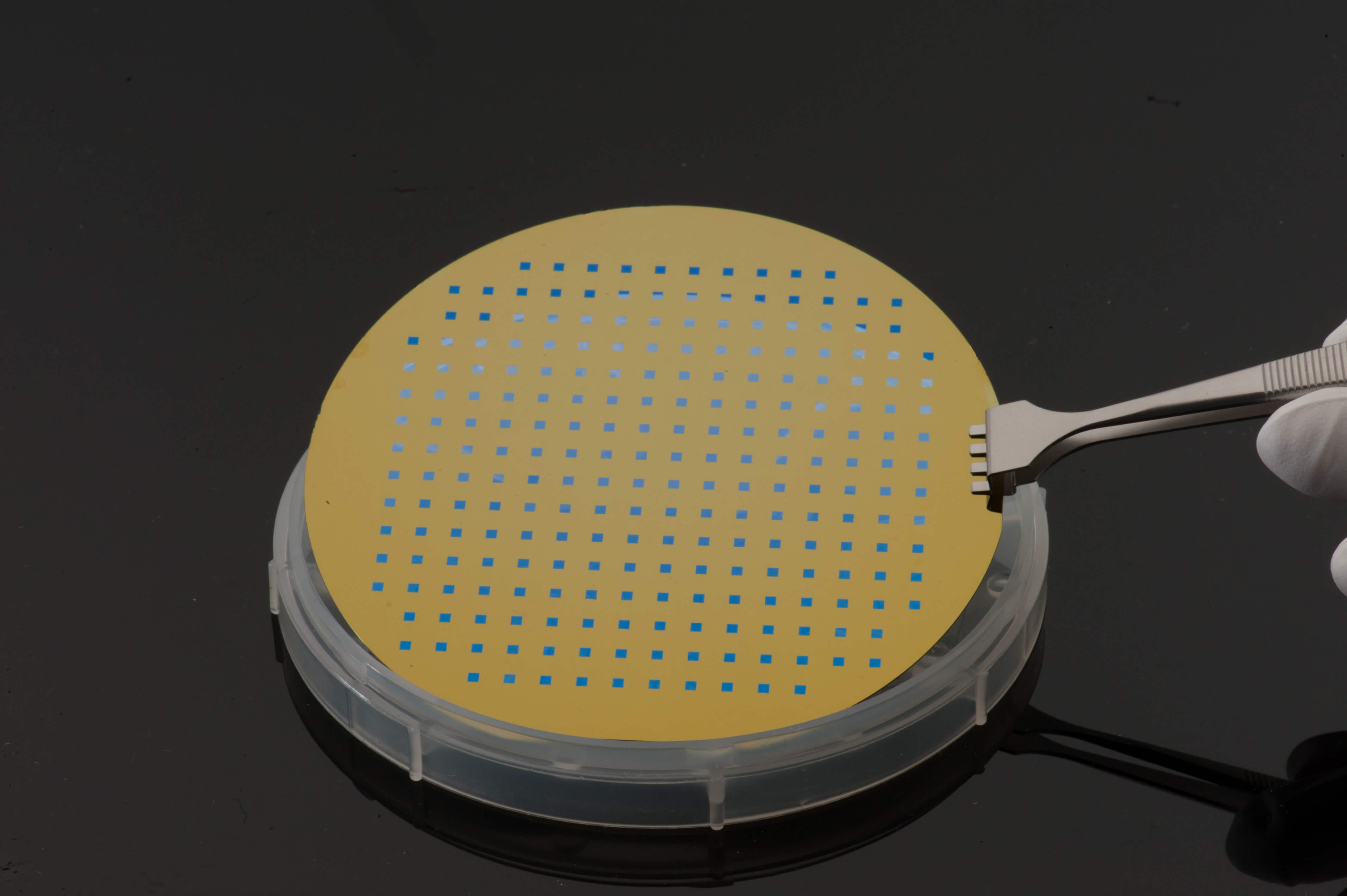


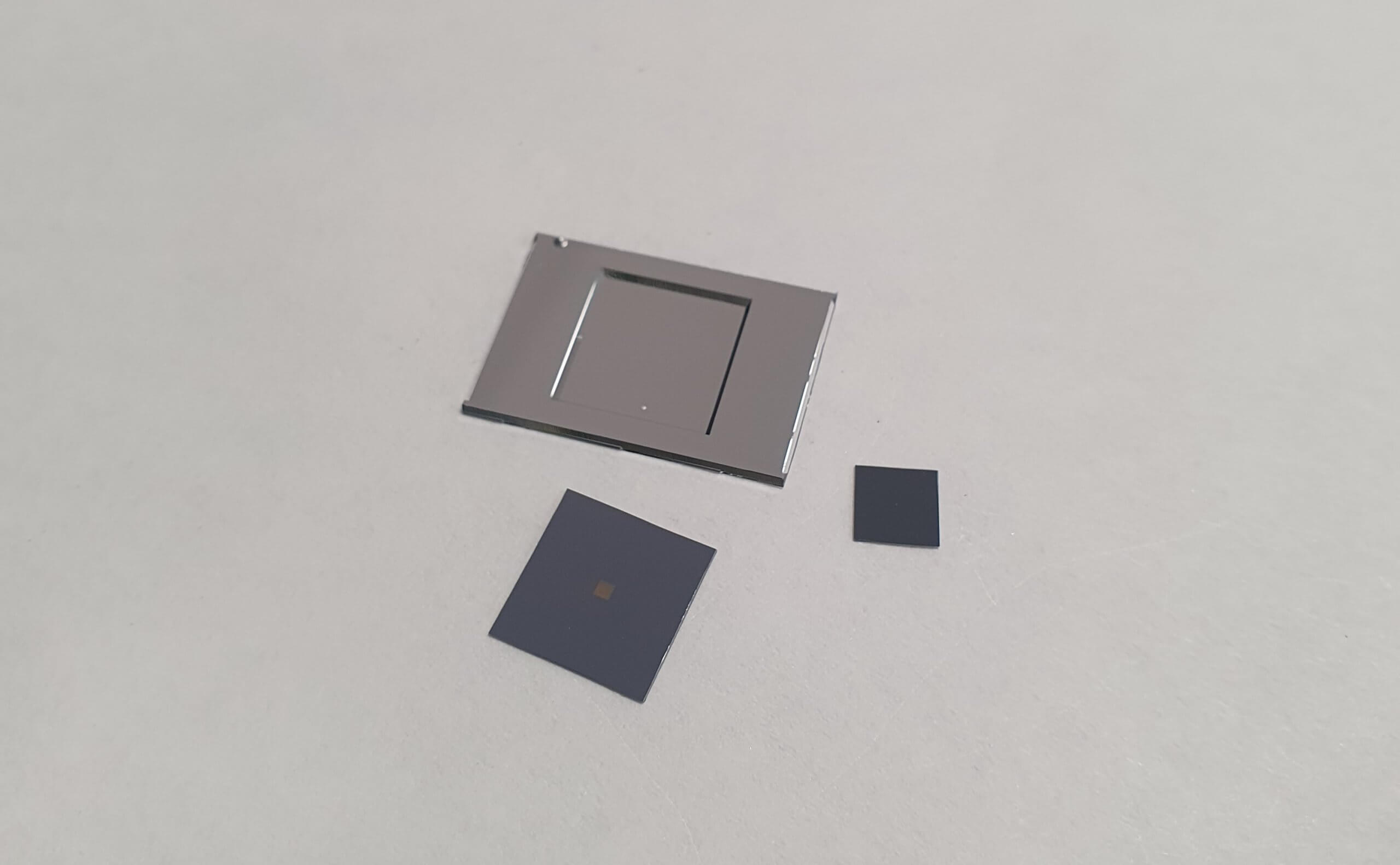

Understanding cellular function depends on the ability to observe intracellular processes whilst in its natural, living state. Vital biological phenomena, such as the transport of nutrients or the communication between cells via filamentous “feelers” (filopodia), occur at scales below 500 nanometers. Standard optical microscopy is fundamentally limited by the physical thickness of glass coverslips. As light passes through the glass, it refracts and distorts, creating a spherical aberration that blurs these critical sub-micron details.
Researchers Toshihiko Ogura and Tomoko Okada at the National Institute of Advanced Industrial Science and Technology (AIST) utilised Silson’s 50 nm thick SiN membranes to alleviate this issue. Since these membranes are roughly 3000 times thinner than a typical glass coverslip, they effectively eliminate such refractive distortions. This enabled the team to achieve the high-contrast, diffraction-limited resolution necessary to track individual melanosomes and organelles in real-time using standard laboratory microscopes, without the need for destructive stains or expensive specialised hardware.
The article was published in Micron and can be read in full here.
