
Case studies




Calcium carbonate (CaCO₃) is one of the most abundant minerals in nature and plays a crucial role in biomineralisation, environmental carbon cycling, and industrial materials such as cement, paints, and pharmaceuticals. Understanding how its different crystal forms develop during growth is essential for controlling precipitation processes in both natural and engineered systems. However, observing these structural transformations at the nanoscale is challenging because crystal growth occurs rapidly and involves multiple intermediate phases.
Researchers from the Norwegian University of Science and Technology (NTNU) and collaborators used advanced coherent X-ray diffraction imaging (CXDI) and wide-angle X-ray diffraction (WAXD) at the European Synchrotron Radiation Facility (ESRF) to study the internal structure and growth evolution of calcium carbonate microparticles. The team discovered that particles can contain both vaterite and aragonite crystal phases simultaneously, representing an intermediate stage in the transformation between these two polymorphs. This work provides new insight into how temperature and kinetics influence CaCO₃ crystal growth pathways, helping improve our understanding of mineral formation in biological, environmental, and industrial systems.
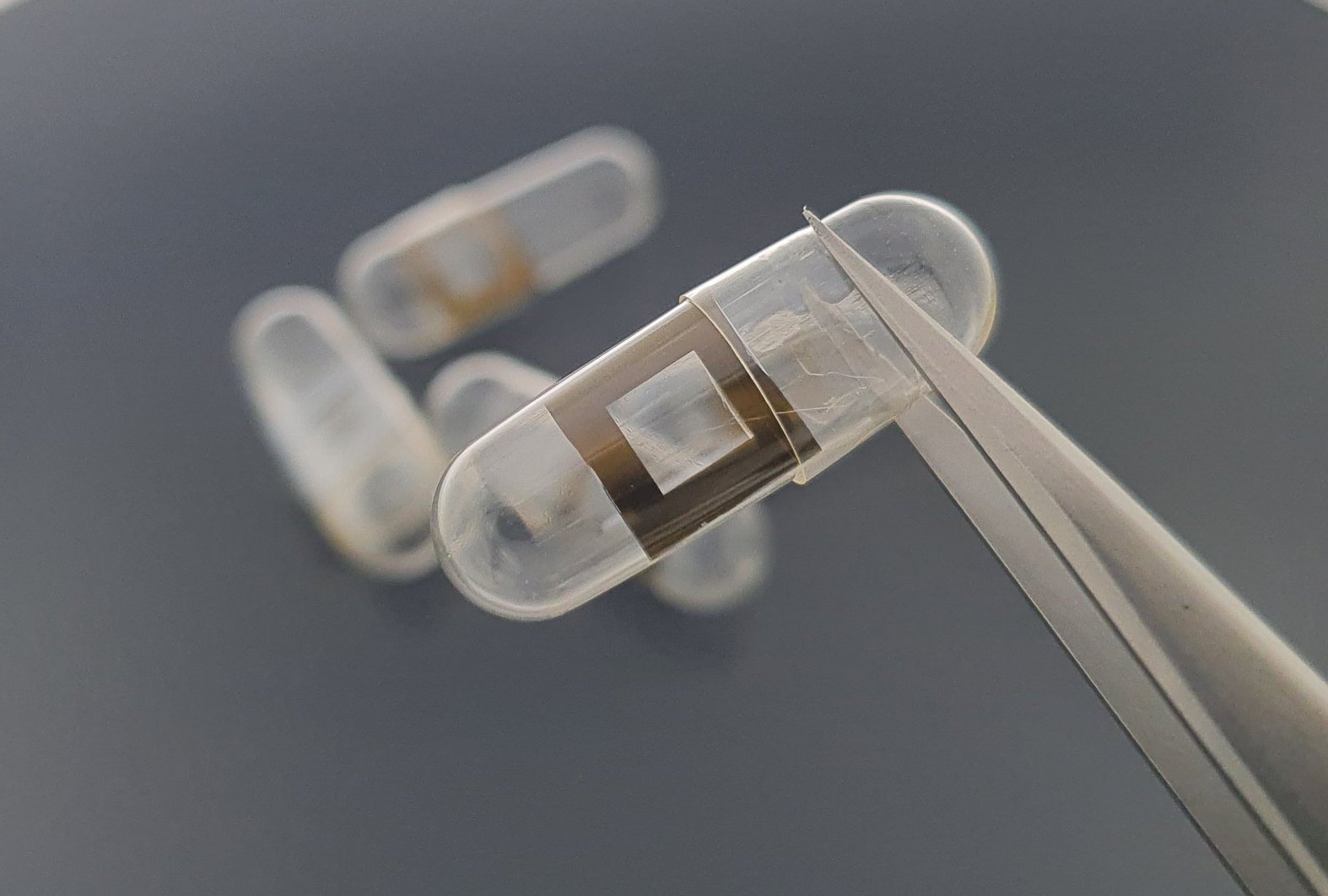
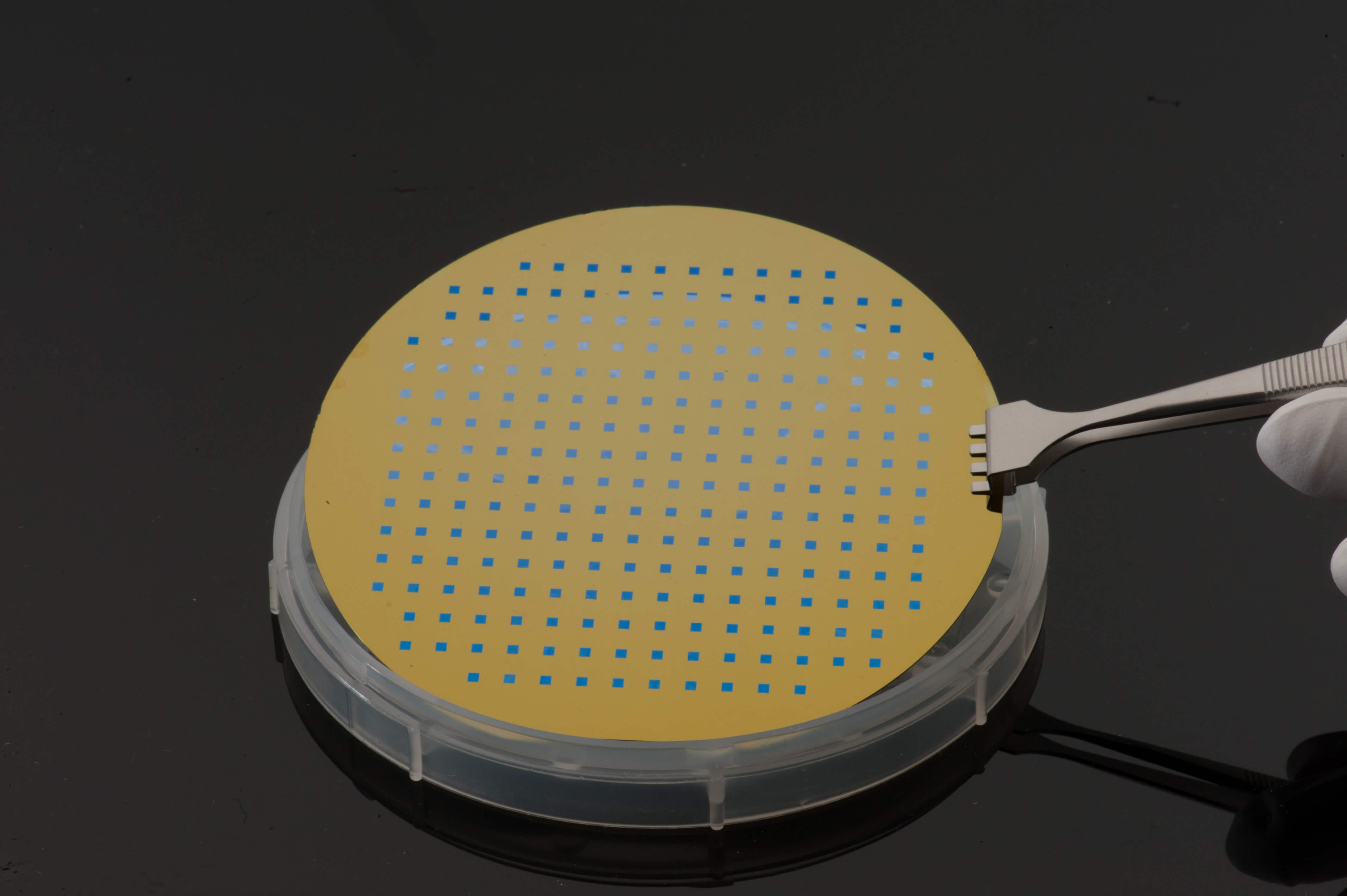
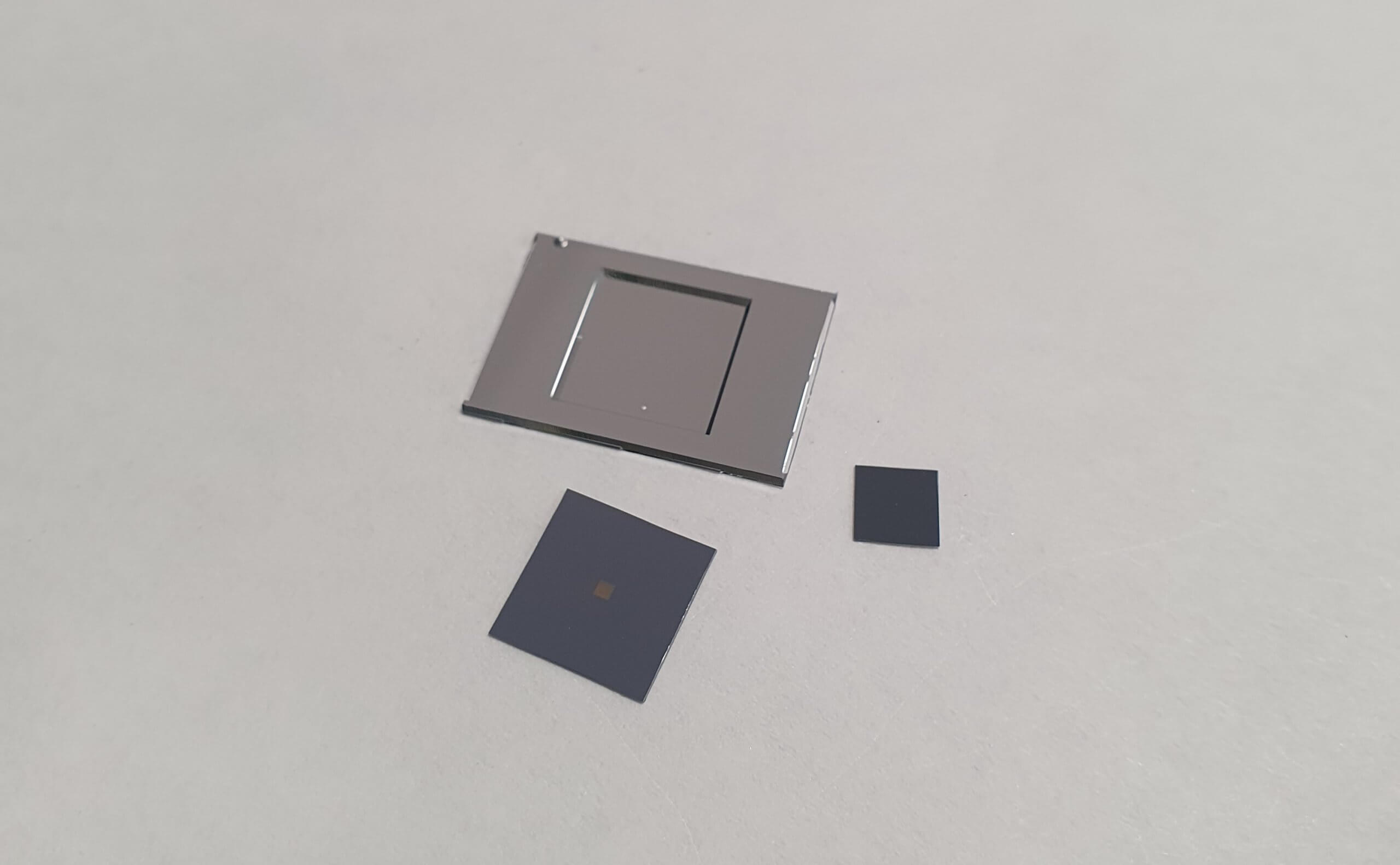
To perform these measurements, the researchers dipped Silson’s 100 nm thick SiN membranes into a colloidal solution of CaCO₃ particles in ethanol. These ultra-thin, X-ray transparent membranes provided a stable support while allowing coherent X-rays to pass through with minimal scattering, enabling high-resolution imaging of individual microparticles during synchrotron experiments. By ensuring clean diffraction signals and precise sample positioning, Silson’s membranes played a key role in enabling the nanoscale structural reconstructions that revealed the mixed-phase growth behaviour.
The article was published in Physical Review Research and can be read in full here.
