
Case studies




Corrosion of iron and steel infrastructure is a major global challenge, costing industrialised nations an estimated 3–4% of their annual GDP. Understanding how corrosion products form at the nanoscale is essential for improving the durability of pipelines, energy infrastructure, and emerging technologies such as carbon capture and storage systems. However, identifying the different iron oxides and hydroxides that form during corrosion can be difficult because many of these phases have very similar crystal structures.
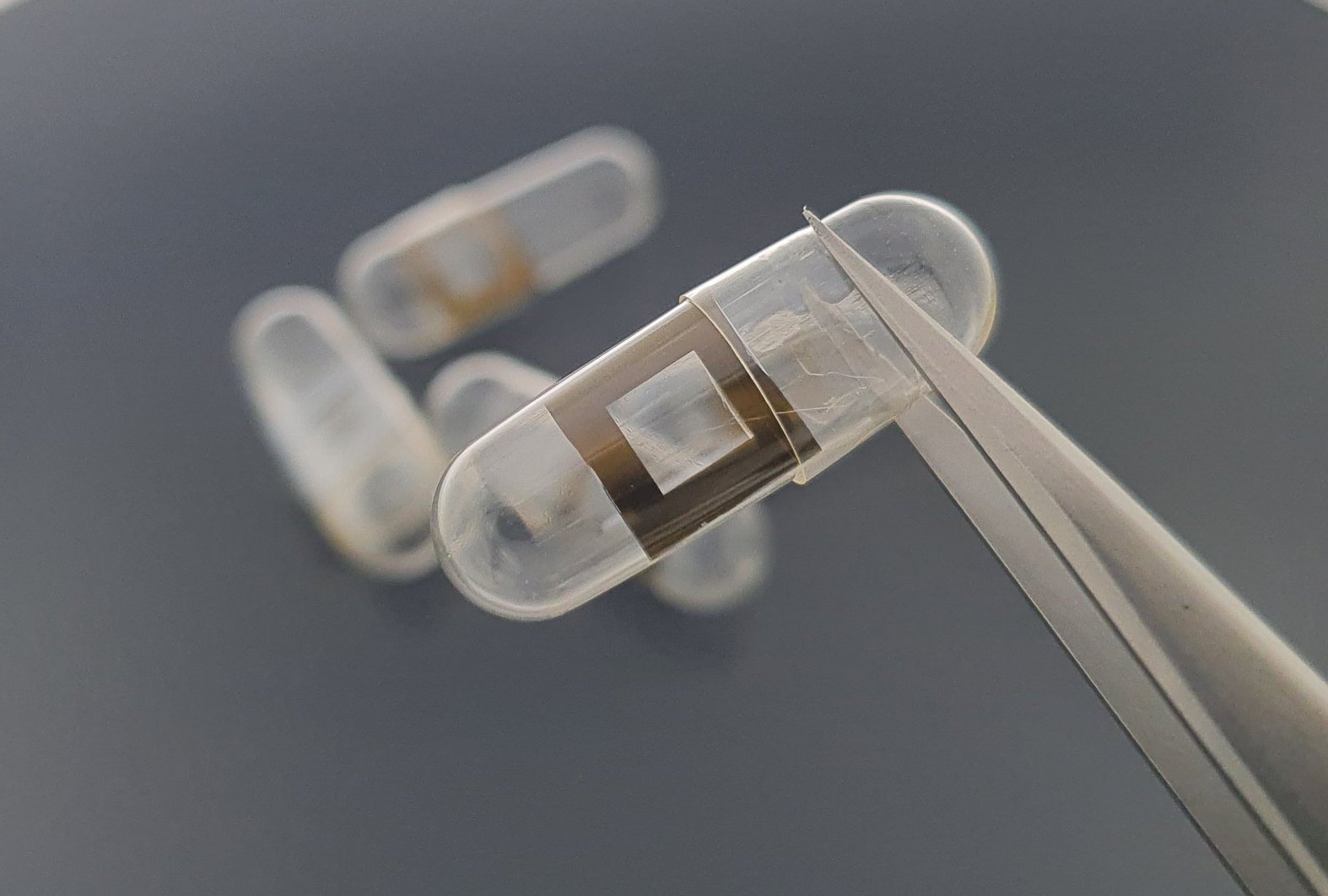
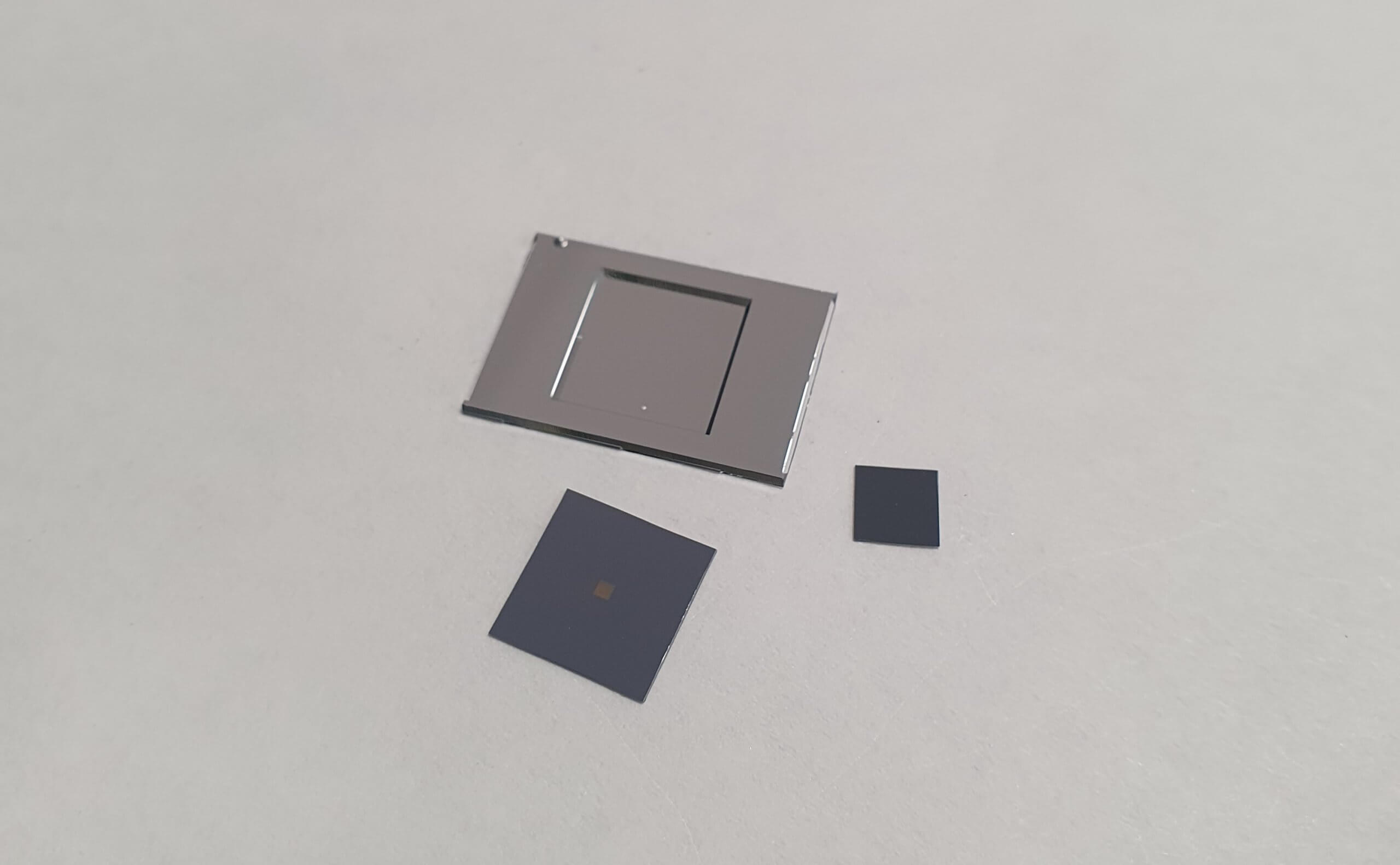
Researchers used Silson’s 20 nm thick SiN membranes as X-ray transparent substrates to study nanoscale corrosion processes using Scanning Transmission X-ray Microscopy (STXM) combined with Near Edge X-ray Absorption Fine Structure (NEXAFS) spectroscopy. A thin iron film was deposited directly onto the SiN window and exposed to a CO₂-containing brine solution to simulate corrosion conditions before being analysed at a synchrotron facility.
This approach allowed the team to map the chemical composition of corrosion scales with nanoscale resolution and identify several coexisting iron phases, including hematite, goethite, and magnetite.
These results demonstrate how synchrotron X-ray spectromicroscopy can reveal the complex structure of corrosion products, helping researchers better understand corrosion mechanisms and develop strategies to improve the lifetime and reliability of industrial materials.
Read the full article on the ChemRxiv here.
