
Case studies




Seawater desalination provides fresh water to millions of people worldwide, with most plants relying on reverse osmosis membranes to separate salt from water. These membranes contain an ultrathin polyamide layer that acts as the selective barrier, allowing water molecules to pass while rejecting dissolved salts. Understanding the nanoscale structure of this layer under real operating conditions is essential for improving membrane efficiency and reducing the energy required for water purification.
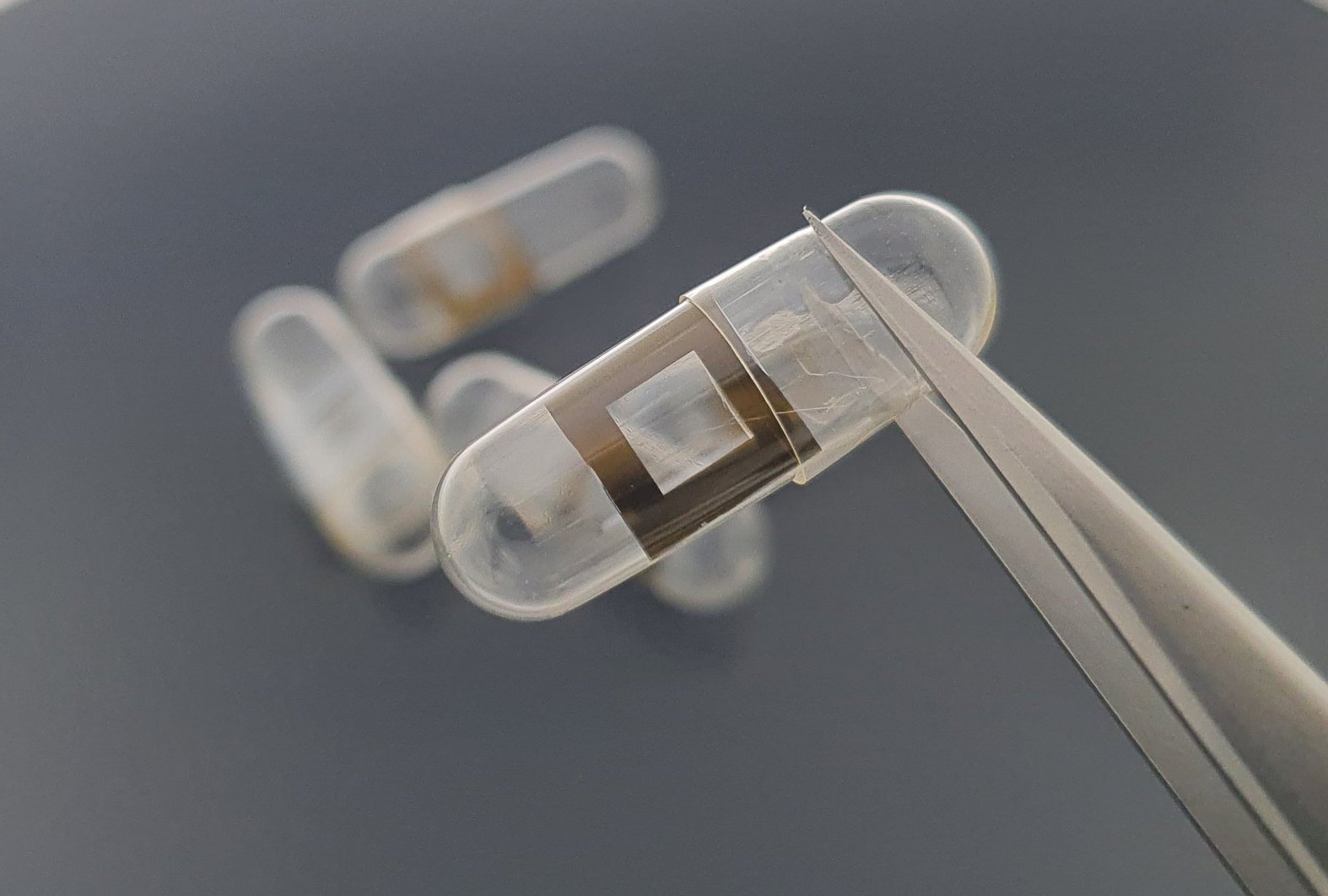
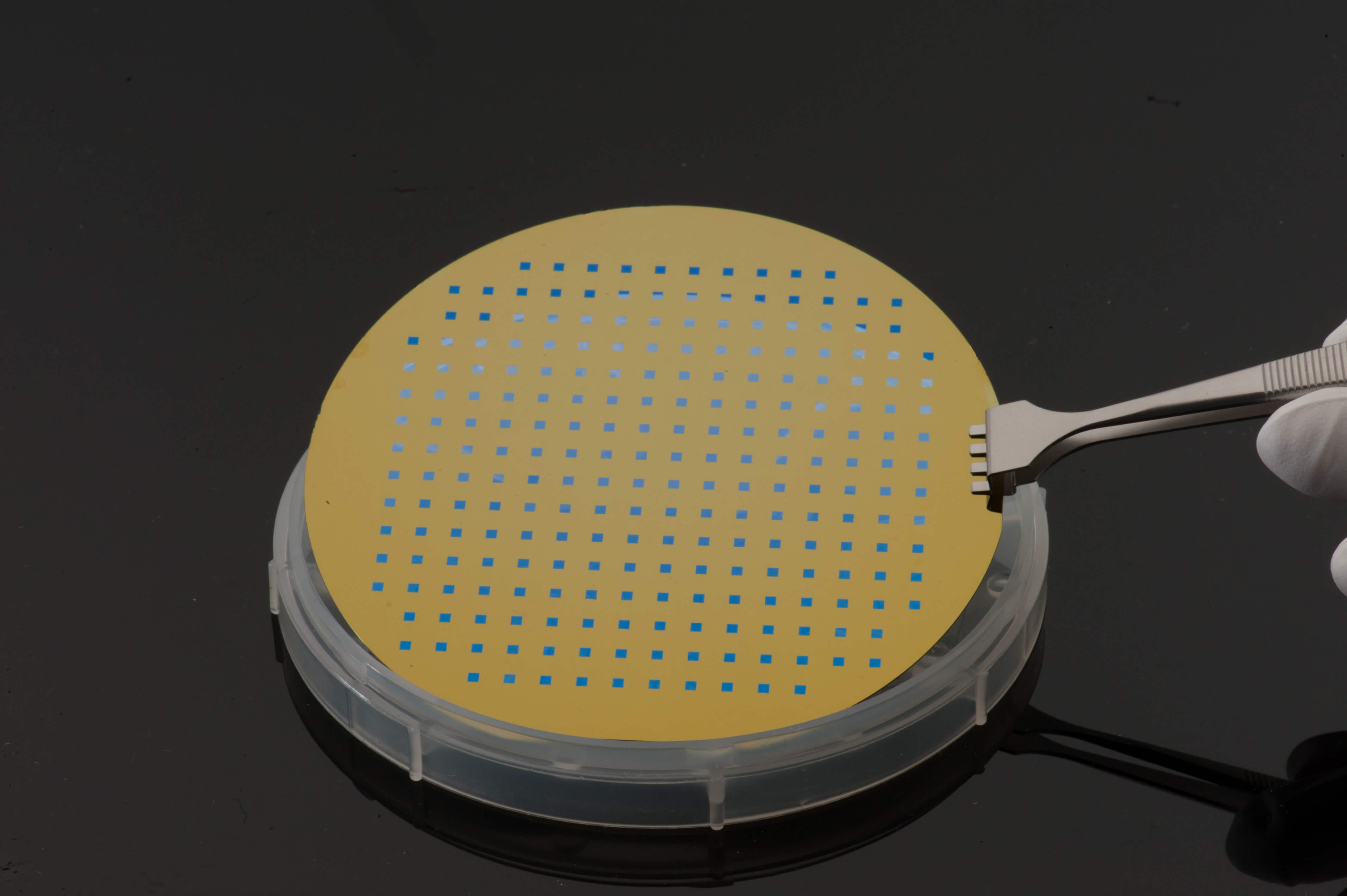
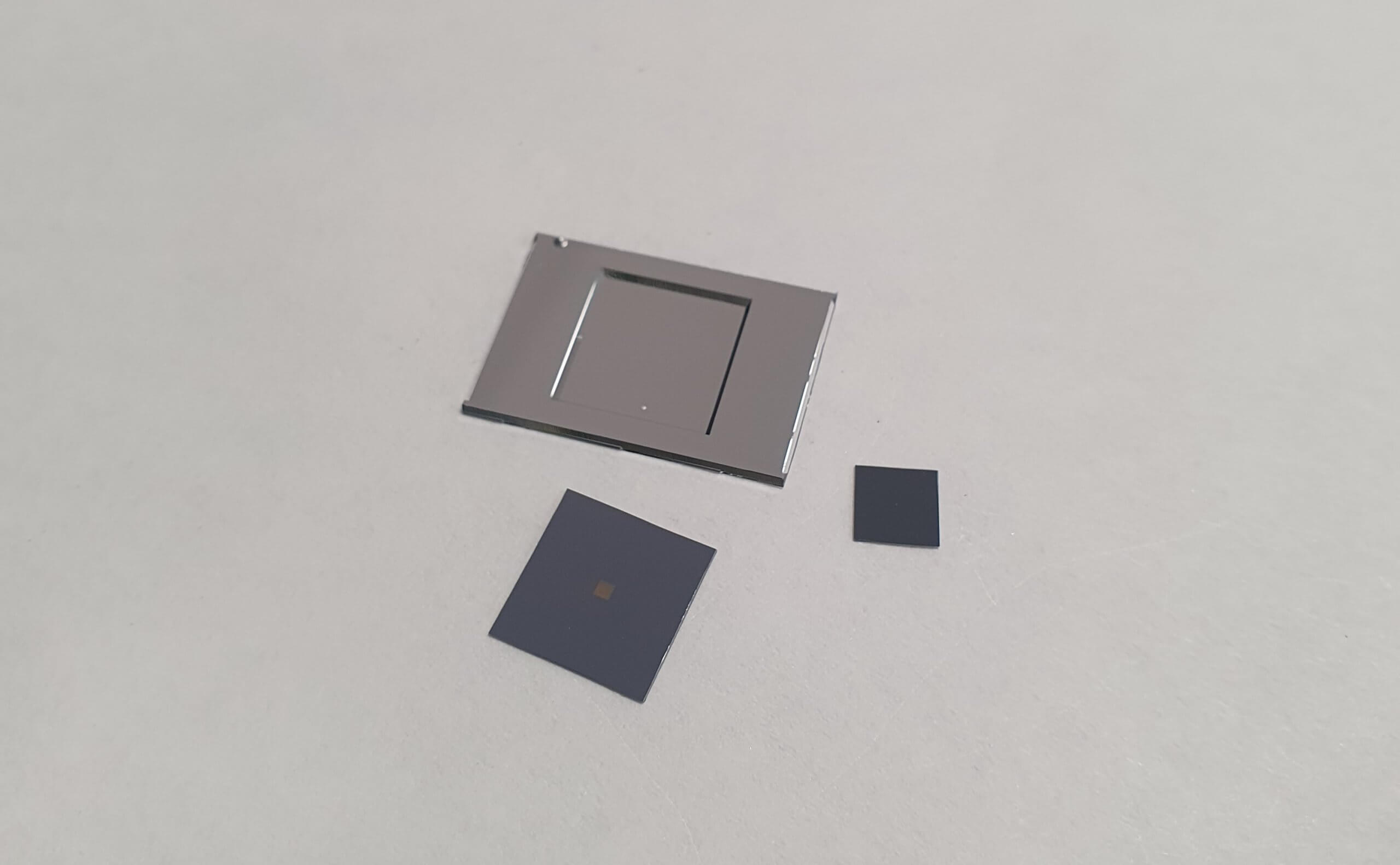
Researchers used Silson’s 100 nm thick, 2 mm square SiN membranes as X-ray transparent windows to study thin-film composite polyamide desalination membranes using ptychographic X-ray computed tomography (PXCT). The membrane samples were sealed between two SiN windows and imaged while fully immersed in water, allowing the team to observe the membrane structure in its natural hydrated state.
This approach enabled the first three-dimensional nanoscale imaging of polyamide desalination membranes in liquid, revealing significant hydration-driven structural changes. These findings provide new insights into how membrane structure influences water transport and filtration performance, helping guide the development of more efficient materials for desalination and water purification technologies.
Read the full article here.
