
Case studies
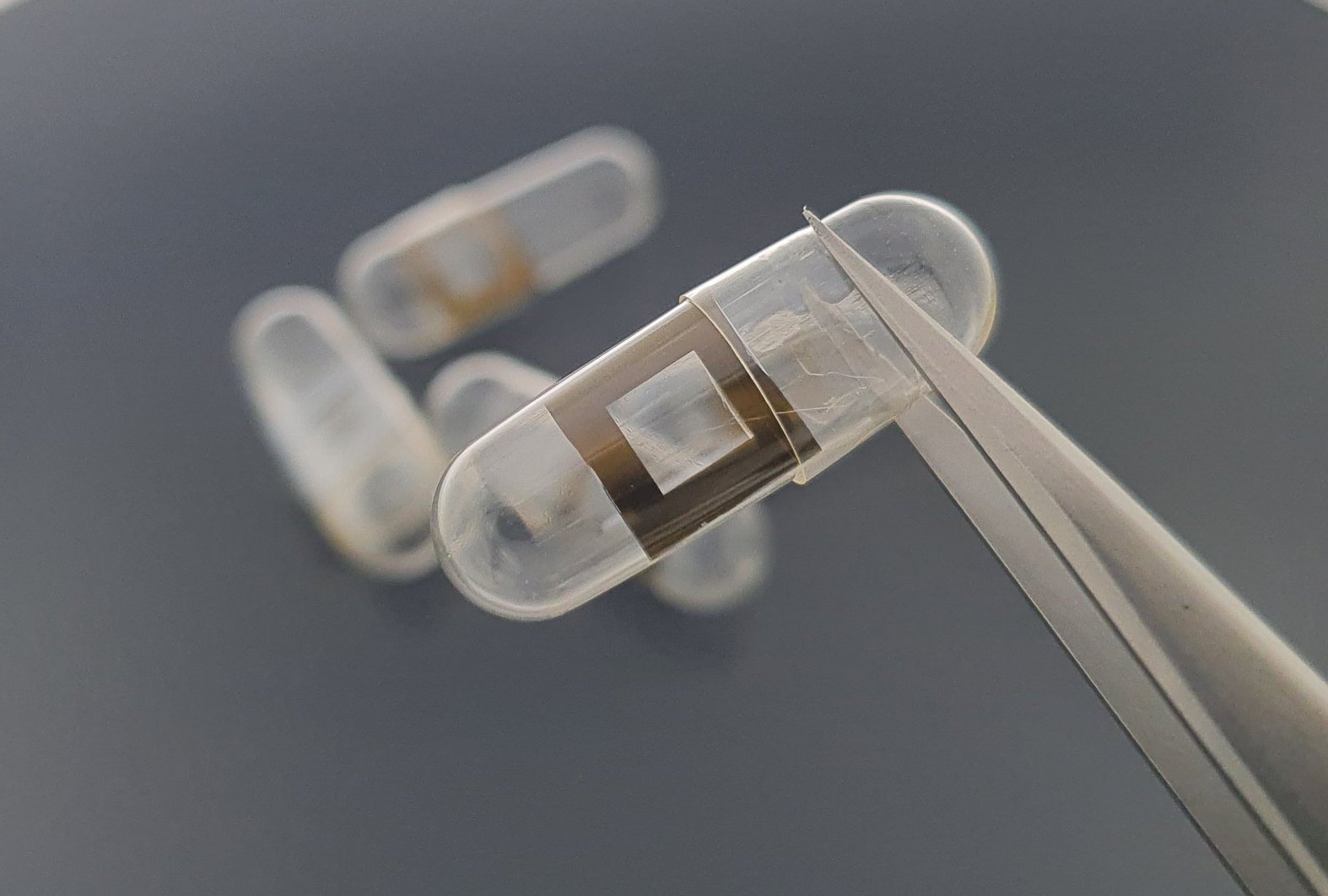



Controlling light at the nanoscale in real time, adjusting its phase, direction, or colour on demand, is a central challenge in modern photonics. Most metasurfaces, underpinning technologies such as holographic displays, biosensors, and adaptive optics, have a fixed optical response once fabricated. Making them dynamically tuneable without sacrificing optical efficiency has remained an open problem, with most approaches forced to choose between strong modulation and low optical loss.
Researchers from the University of York developed an electrically tuneable metasurface that overcomes this trade-off by integrating an optofluidic layer. The device uses a nanoscale silicon nitride diffraction grating coated with indium tin oxide (ITO) and flooded with an ionic liquid. Applying a small voltage causes ions in the liquid to accumulate at the ITO surface. This concentrated charge at the interface shifts the refractive index of the ITO, tuning the optical resonance of the grating in real time. The team demonstrated a near-360° shift in the phase of reflected light at constant amplitude, as well as label-free detection of E. coli bacteria settling on the sensor surface.
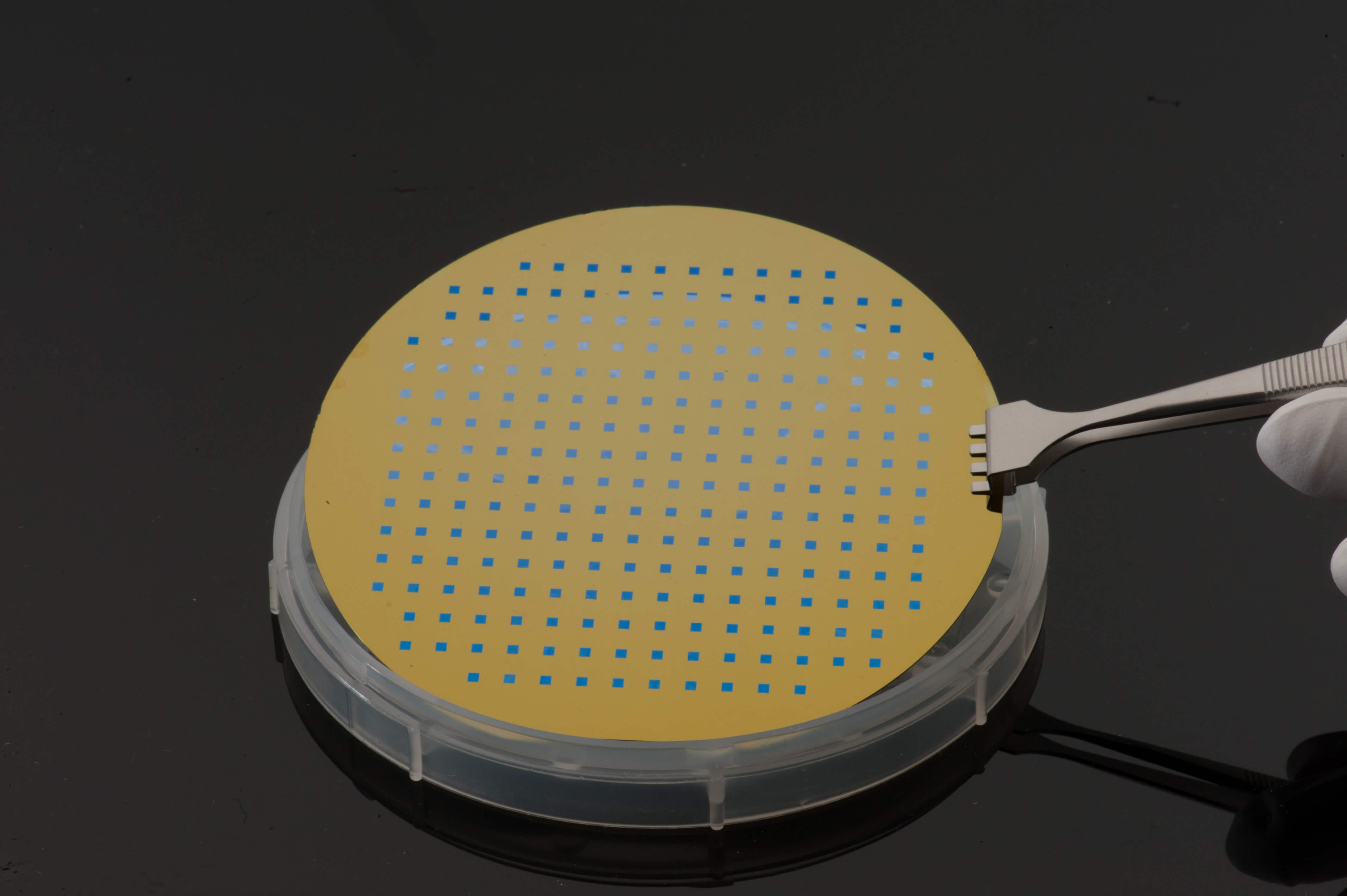
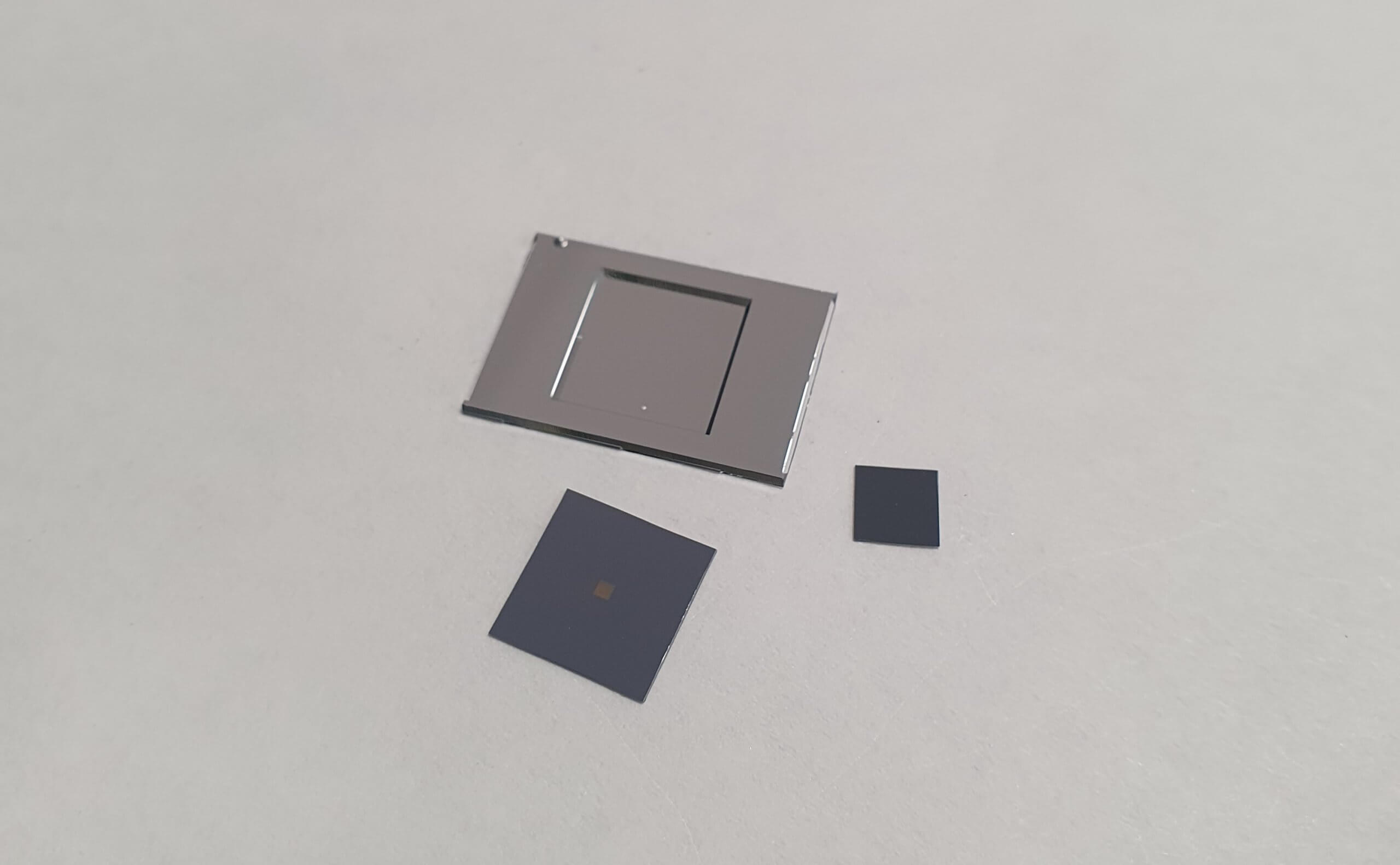
The metasurface fabrication began with a 15×15 mm chip of Silson’s 150 nm thick SiN on SiO₂. The low optical loss and precise thickness uniformity of Silson’s silicon nitride film were essential to the device’s performance since the grating resonance is highly sensitive to layer thickness, and the all-dielectric design hinges on SiN introducing minimal absorption at the 800 nm operating wavelength.
The article, published in ACS Nano, can be read in full here.
